
Learn how to make a bread dough reserve which is a pre-made dough that you can store in your refrigerator, to be baked whenever you need it. It is a great way to save time and have fresh bread at your convenience!
Bread is a staple food in many households, and nothing beats the aroma and taste of freshly baked bread. However, making bread from scratch can be time-consuming, a bit confusing, and sometimes you may not have the luxury of time to make it.
This is where a bread dough reserve comes in handy.
Watch How To Make It In This Video
Whether you are a seasoned baker or a novice, this how-to guide will equip you with the skills you need to make fresh bread anytime you or your family wants it.
Its life-changing!
What you’ll love about this recipe:
What is a Dough Reserve?
A dough reserve is a simple technique that allows you to prepare a large batch of dough in advance and store it in the fridge until you are ready to bake.
This method involves creating a dough reserve by mixing flour, water, and yeast, and letting it sit for several hours or overnight.
The dough reserve can be stored in the refrigerator for up to a week, and used to make fresh bread every day.
This process not only saves time, but also allows the bread to develop a deeper flavor and texture.
The dough reserve acts as a starter, creating a natural fermentation process that gives the bread its signature crust and crumb.
Why Use a Dough Reserve?
Making a bread dough reserve is a great way to save time and effort in the kitchen.
Preparing a reserve of bread dough will ensure that you always have fresh dough available, whenever you need it.
This can be especially useful for busy families or individuals who don’t have the time to prepare fresh dough every time they want to bake bread.
By creating a bread dough reserve, you’ll be able to enjoy fresh bread whenever you want, without the hassle of starting from scratch every time.

A Note On Einkorn Flour
Einkorn Ancient Grain Flour is the only wheat never hybridized and has only two sets of chromosomes. It’s grown organically and tested for glyphosate. Its weak gluten makes it easier to digest. It lacks the gluten proteins that trigger symptoms of gluten sensitivity. It is higher in protein and lower in carbohydrates than modern wheat.

FAQ about adding sourdough starter

Join the E-Newsletter community
The e-newsletter gives you access to exclusive content + recipes, videos, and more.
Be sure to check out the full recipe and ingredient list below by volume or in grams.
Tools you’ll need


FTC: This website is a participant in the Amazon Services LLC Associates program, an affiliate advertising program designed to provide a means for sites to earn advertising fees by advertising and linking to Amazon.com.
How To Make A Bread Dough Reserve
Make the dough reserve:
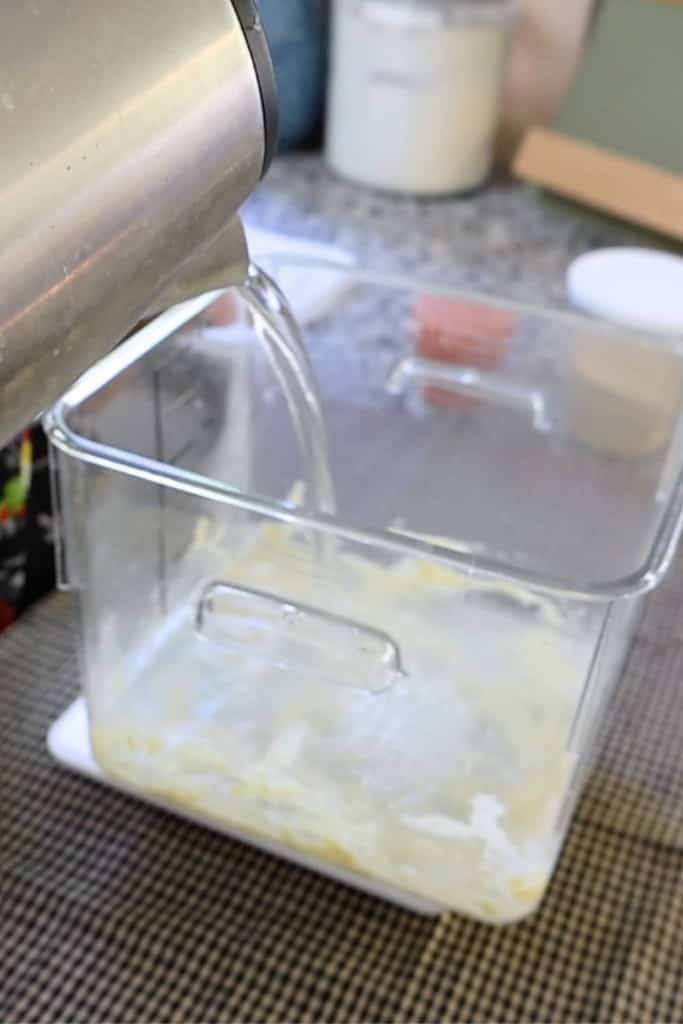
Warm the water. It should be slightly warmer than room temperature, roughly 100℉. Add it into the dough tub.
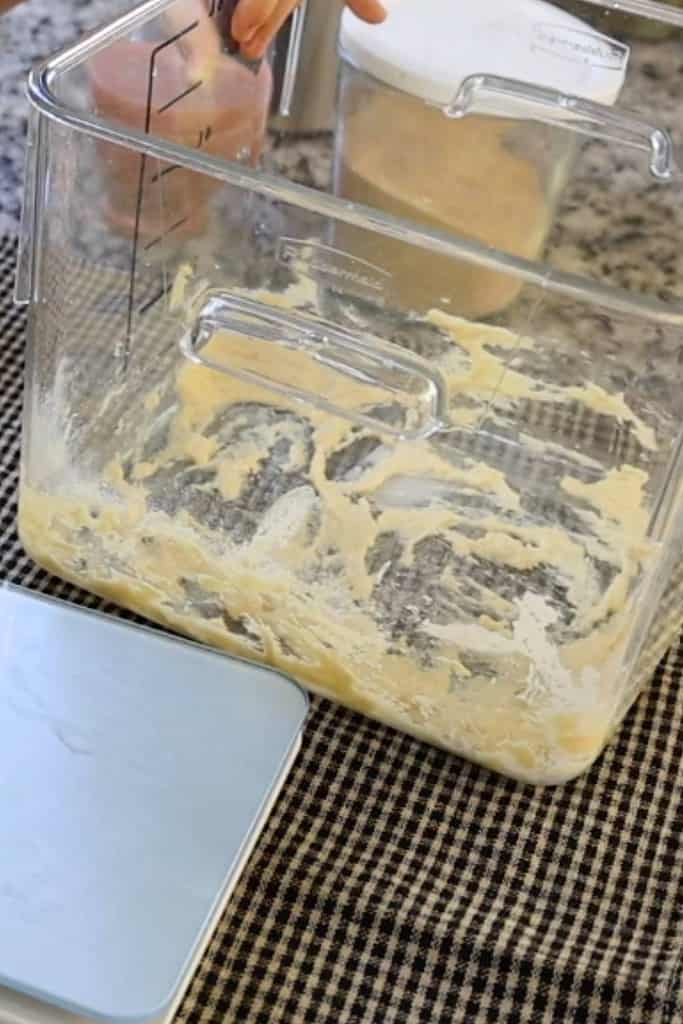
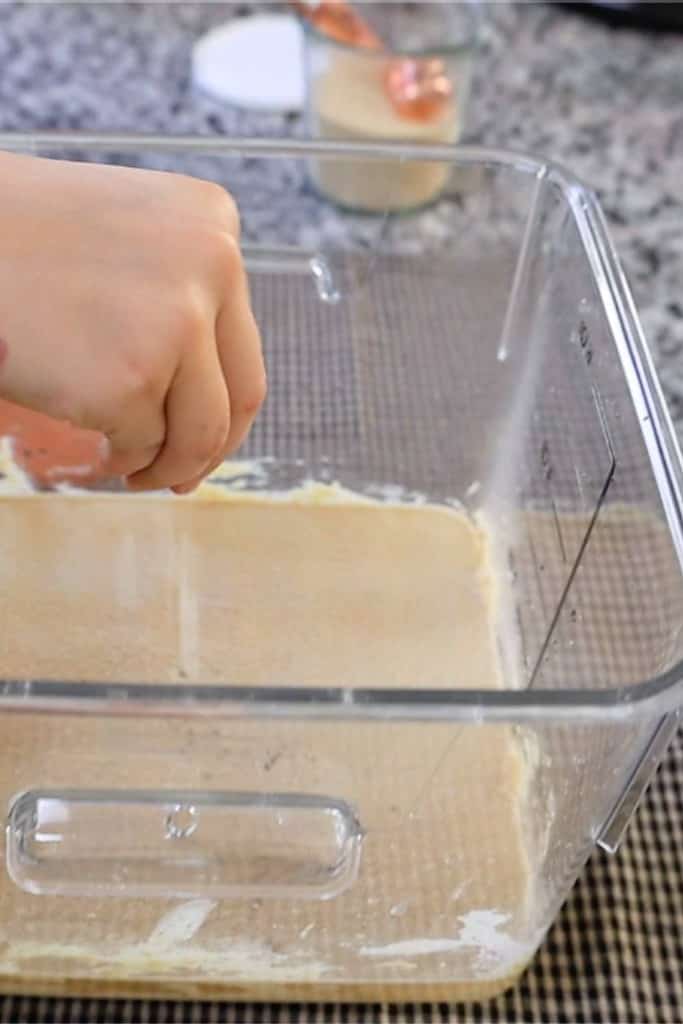
Next, add the active dry yeast and salt to the warm water and mix together. It does not need to be dissolved.
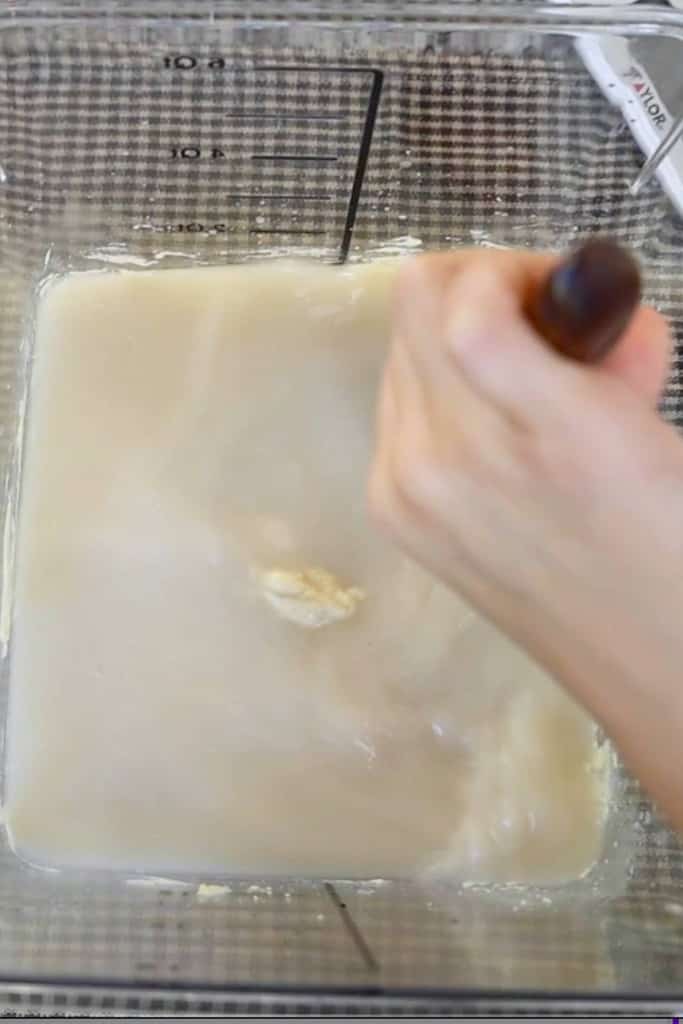
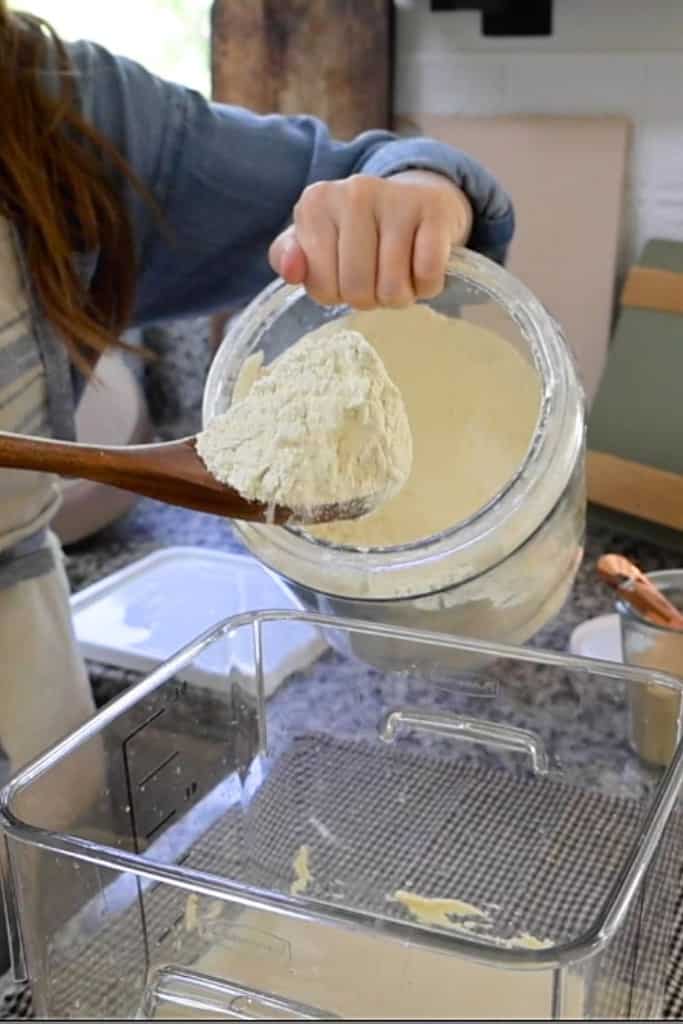
Mix in the flour using a wooden spoon or dough whisk. You don’t need to knead the dough.

Note: Add all the flour to the tub at once using dry measuring cups or by weight on a digital food scale (see the second recipe card for measurements in grams).
4. Mix with a wooden spoon or dough whisk, until all the flour has been incorporated.
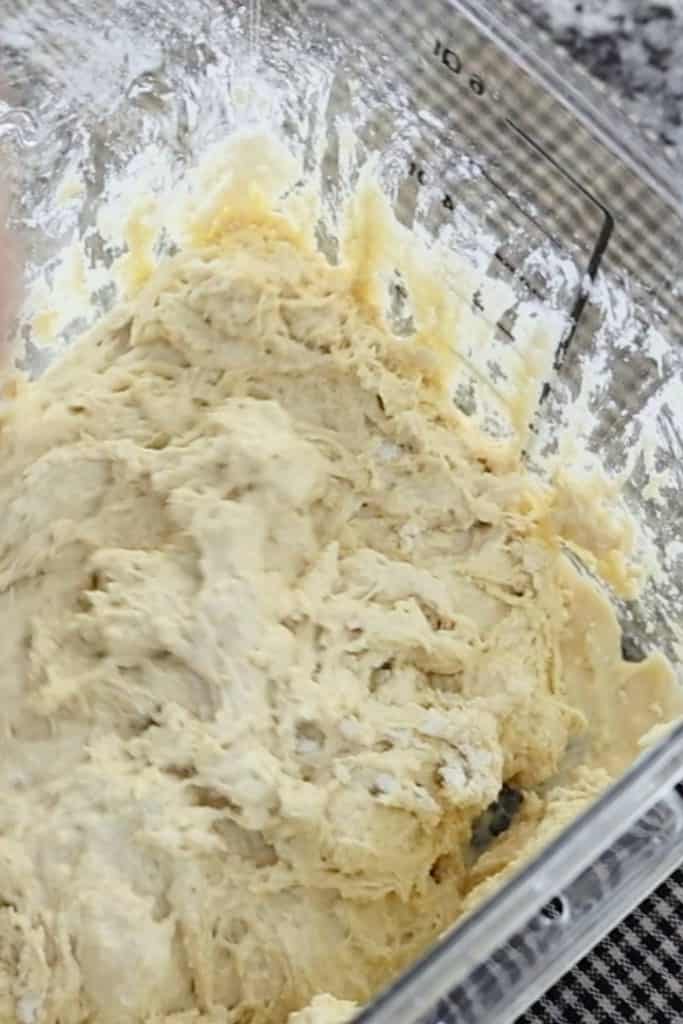
5. Cover the dough tub with the lid. Allow the dough to rise at room temperature for 2-2 ½ hours. The dough will rise and then begin to collapse and flatten at the top.
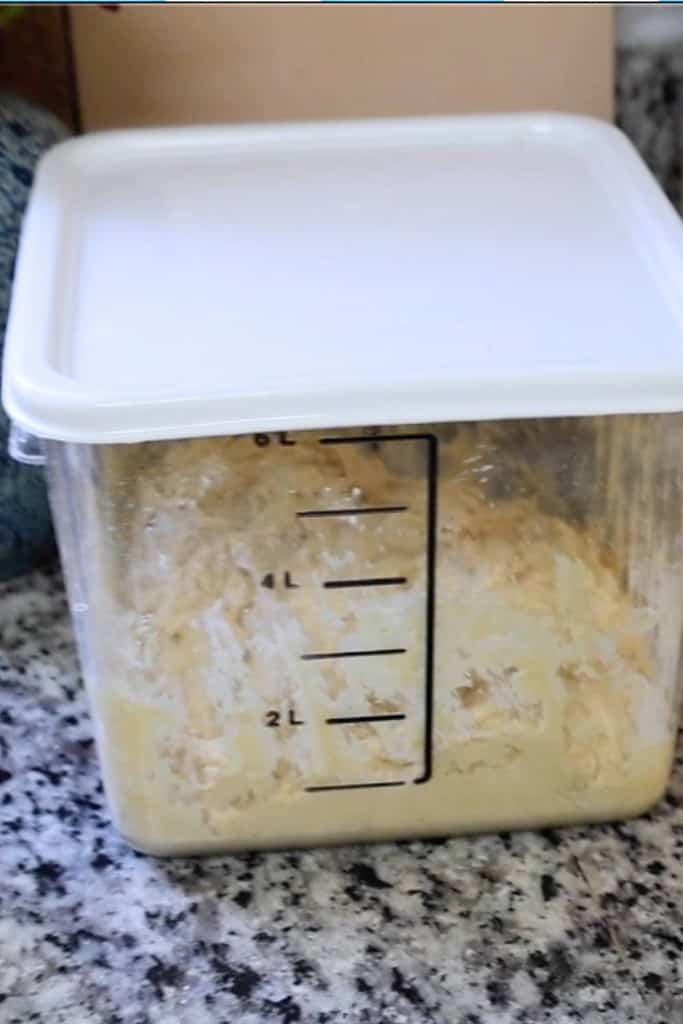
6. Place in the refrigerator for up to 2 weeks. *You can use up to 2 cups of dough from your last batch in a new batch.
7. Bake a loaf of Everyday Artisan Bread From a Dough Reserve!

Love this recipe?
Be sure to share this recipe with a friend or on your socials (I’d love to see)
+ 📌Pin It on Pinterest for later!
Measurements By Volume:
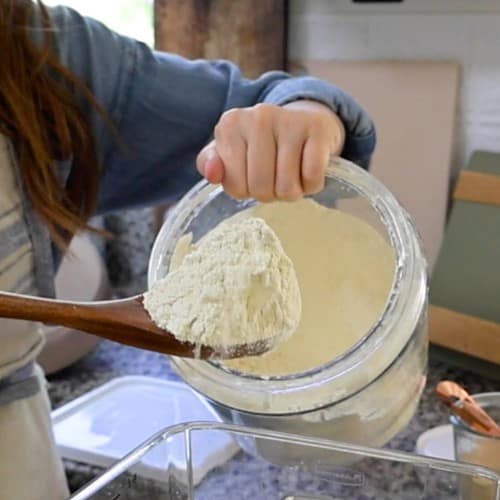
How To Make a Bread Dough Reserve
Equipment
- 1 Square Food Storage Container with lid
Ingredients
- 3 cups Lukewarm water 100℉ or below
- 1 tablespoon Active Dry Yeast
- 1 tablespoon salt I used fine Celtic Sea Salt
- 6 ½ cups Einkorn All-Purpose Flour or Unbleached All-Purpose Flour

Instructions
Making and Storing the Dough Reserve
- Warm the water. It should be slightly warmer than room temperature, roughly 100℉. Add it into the dough tub.
- Next, add the active dry yeast and salt to the warm water and mix together. It does not need to be dissolved.
- Mix in the flour using a wooden spoon or dough whisk. You don't need to knead the dough. Add all the flour to the tub at once using dry measuring cups or by weight on a digital food scale (see other recipe card for measurements in grams).
- Mix with a wooden spoon or dough whisk, until all the flour has been incorporated.
- Cover the dough tub with the lid. Allow the dough to rise at room temperature for 2-2 ½ hours. The dough will rise and then begin to collapse and flatten at the top.
- Place in the refrigerator for up to 2 weeks.
Notes
Measurements in Grams:
How To Make a Bread Dough Reserve (measurements in grams – metric)
Equipment
- 1 Square Food Storage Container with lid
Ingredients
- 680 grams Lukewarm Water 100℉ or below
- 10 grams active dry yeast
- 20 grams salt I use fine Celtic Sea Salt
- 910 grams Einkorn All-Purpose Flour or Unbleached All-Purpose Flour
Instructions
Making and Storing the Dough Reserve
- Warm the water. It should be slightly warmer than room temperature, roughly 100℉. Add it into the dough tub.
- Next, add the active dry yeast and salt to the warm water and mix together. It does not need to be dissolved.
- Mix in the flour using a wooden spoon or dough whisk. You don't need to knead the dough.Add all the flour to the tub at once using dry measuring cups or by weight on a digital food scale (see other recipe card for measurements in grams).
- Mix with a wooden spoon or dough whisk, until all the flour has been incorporated.
- Cover the dough tub with the lid. Allow the dough to rise at room temperature for 2-2 ½ hours. The dough will rise and then begin to collapse and flatten at the top.
- Place in the refrigerator for up to 2 weeks.
Thank you for sharing this. Oh how I would love to do this with my sourdough starter and no yeast. I’m tempted to try.
Hi Sandy, no problem! Thanks for your comment 🙂 You can add sourdough starter to it. Just replace 1/2 a cup(even as much as 3/4 cup) of the flour, and 1/2 (or 3/4 cup) a cup of the water with sourdough starter. You can cut back on the yeast or not. I would personally use the same amount of yeast if using Einkorn flour because it doesn’t have a strong gluten structure. I will play around with the sourdough and make another post about using it with sourdough.:)
Hello!
How would I make regulate sandwich loaf bread with this recipe? Thanks!